Supporting families across the UK
A compassionate guide for families and schools — because understanding PDA changes everything.
Pathological Demand Avoidance (PDA) can be one of the most misunderstood profiles of autism, for parents and schools alike. At ACE-SEN Consultancy, our PDA support is led by Nicola Durrant, an autism specialist with over 25 years’ experience and personal, lived experience as a parent to a child with a PDA profile.
We combine professional expertise with real, lived understanding of what daily life with PDA involves. Every family and school we work with gets a bespoke plan built around their child, not a one-size-fits-all behaviour programme. Our approach is guided by ACE-SEN’s philosophy: Accept, Celebrate, Embrace.
We support children and young people with PDA from age 0 through to adulthood. For age-specific support, see our 0 to 5 years and 5-plus years services, or book a free 30-minute consultation to discuss your child’s needs directly.
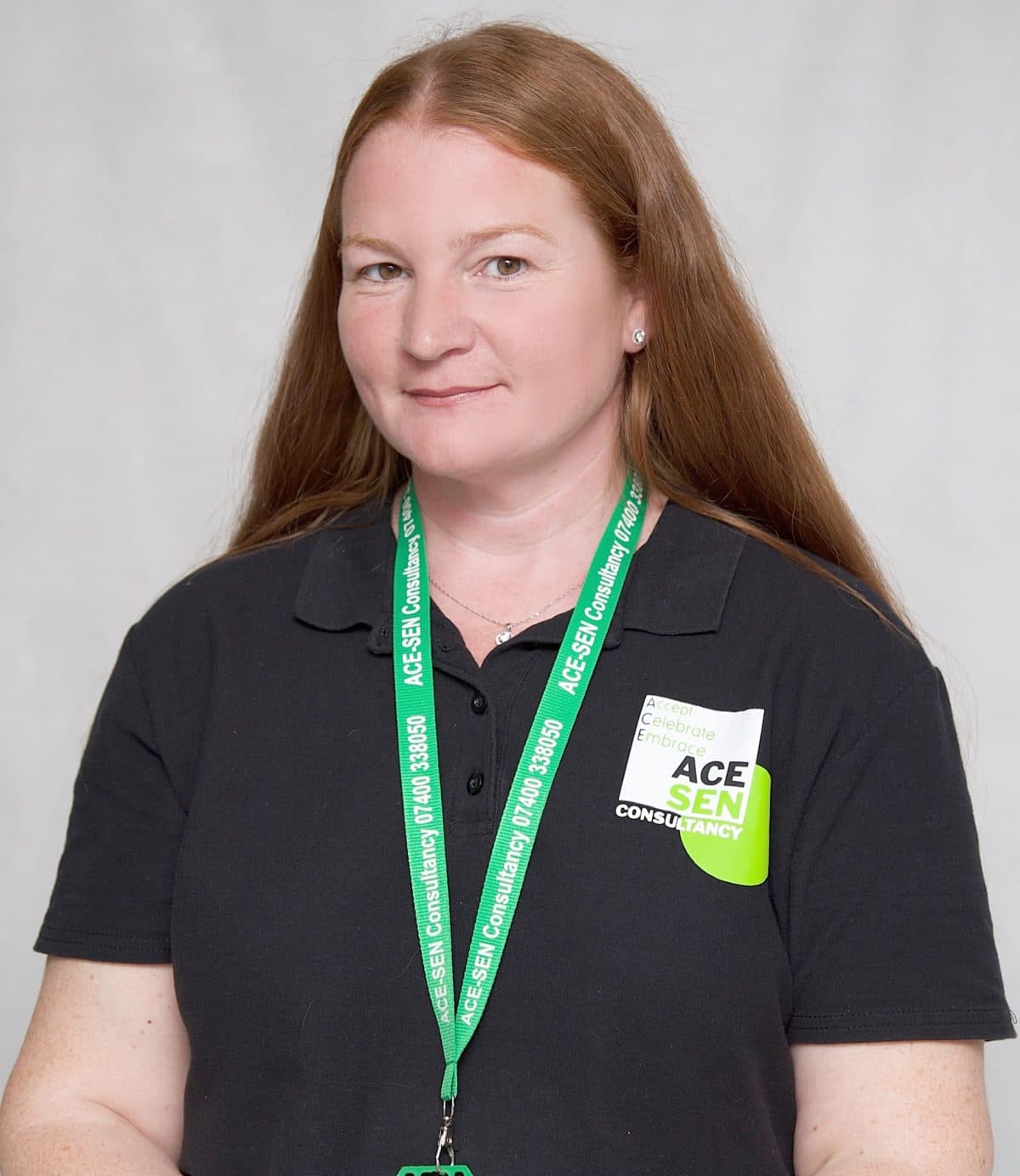
Nicola Durrant is not only a professional in the field, but mum to a daughter with a diagnosis of PDA.
Pathological Demand Avoidance is an anxiety-driven profile of autism. For a child with PDA, everyday demands, even ones they would otherwise enjoy, can feel overwhelming, threatening or impossible to manage. This is not defiance, and it is not the result of poor parenting. It comes from anxiety about losing control, and a deep need for autonomy.
Because avoidance is driven by anxiety rather than a lack of understanding or motivation, standard parenting and classroom approaches often make things worse, not better. Recognising PDA for what it is, an anxiety response rather than a behaviour choice, is the first step towards supporting a child properly.
For a fuller explanation, including how PDA differs from other autism profiles and why it is so often missed, read our guide: What Is PDA? A Parent’s Guide to Pathological Demand Avoidance.
PDA can look very different from child to child, but families and schools often recognise the same underlying patterns:
What you might see | What it usually reflects |
|---|---|
Avoiding basic tasks, even enjoyable ones | Anxiety about losing control, not the task itself |
Sudden refusal or meltdowns when pressured | Demands feel threatening, not simply unwelcome |
Negotiating, distracting or making excuses | A sophisticated strategy to avoid direct demands |
Difficulty with transitions and routine changes | Uncertainty raises anxiety and the need for control |
Coping at school, then struggling badly at home | Masking in public, followed by release once safe |
Demand stacking (several requests building up) | Cumulative pressure tips anxiety into shutdown |
These signs can affect school attendance, friendships and family life if they are not recognised early.
Reward charts, sanctions and strict routines are built for children who avoid tasks out of habit or a lack of motivation. PDA is different: avoidance is driven by anxiety and a strong need to stay in control. When a child with PDA feels that control is being taken away, their anxiety rises and avoidance increases, whatever the reward or consequence on offer.
Traditional approach | Why it backfires with PDA | A PDA-friendly alternative |
|---|---|---|
Reward charts | Feel like added pressure, not motivation | Genuine choices with no strings attached |
Sanctions and consequences | Increase anxiety and shame, triggering bigger reactions | Calm, low-key responses that protect trust |
Strict routines | Become demands in themselves | Flexibility about how and when tasks happen |
Direct instructions | Trigger instant refusal | Indirect, playful language |
Time-outs | Reinforce feelings of punishment and lost control | A calm space the child chooses to use |
Our PDA support is built entirely around lowering demands and restoring a child’s sense of control, rather than enforcing compliance.
Our approach is built around six principles that lower anxiety rather than raise it:
We soften or disguise demands so they feel manageable rather than threatening.
Even small choices, over timing, order or method, help a child feel back in control.
Indirect, collaborative language gets further than direct instructions ever will.
A child who feels safe is far more able to cope with the demands that do need to happen.
Meltdowns and shutdowns are signals of overwhelm, not defiance to be corrected.
Predictable routines, explained in advance, lower the anxiety that drives avoidance.
We work directly with families through home visits, written reports, and structured family training, so that everyone supporting the child, at home and at school, is working the same way.
Mainstream classroom rules are often built on consistency and compliance, which can work against a child with PDA rather than for them. We help schools put PDA-friendly strategies in place, including:
Flexible teaching that adapts to a pupil’s anxiety levels on a given day
Collaborative problem-solving, involving the child in planning rather than imposing solutions
Gentle, well-signposted transitions between activities and settings
Reduced written output demands where anxiety is getting in the way of learning
Sensory-friendly environments that lower everyday overwhelm
Whole-staff training, so every adult around the child responds consistently
Staff training is delivered in partnership with SENDSTATION, covering understanding PDA in the classroom, recognising early anxiety signs, and using low-pressure language day to day. See our training services for details, or read How Schools Can Support Children With PDA for the full set of strategies.
Many children with PDA need an Education, Health and Care Plan (EHCP) to get the right support in school, particularly where anxiety is affecting attendance or learning. Because PDA is still widely misunderstood, getting an EHCP application to properly reflect a child’s needs takes specialist knowledge of both the diagnosis and the process.
Our EHCP support service covers needs assessment requests, evidence gathering, section-by-section drafting support, and annual review preparation, all informed by our PDA specialism. If you are just starting out, our guides EHCP Meaning: What It Is and What It Does for Your Child and EHCP Application: A Step-by-Step Guide for UK Parents explain the process from the start, and our post on the SEND Code of Practice sets out the framework schools and local authorities must follow.
Every package includes home or school visits, written reports, meetings, and family training, scaled to the level of support your family or school needs.
4 hours
7 hours
11 hours
15 hours
30 hours
Nicola Durrant · Founder & Specialist Autism Consultant
Our PDA support is led by Nicola Durrant, founder of ACE-SEN Consultancy and a specialist autism consultant with over 25 years’ experience supporting neurodivergent children and young people. Alongside PDA, Nicola specialises in recognising autism in girls and young women, whose profiles are often missed by traditional diagnostic patterns.
Nicola brings lived experience as well as professional expertise, as both a specialist and a parent, and works with a calm, relational approach built on compassion, clarity and connection.
When families discover PDA, they often say everything finally makes sense — “we stopped trying to fix her and started supporting her.” Understanding PDA transforms relationships, reduces conflict, and helps children feel safe, seen and celebrated. That is the heart of ACE-SEN.
Get in touchNo obligation, just a friendly chat about your child and how we can help.
Avoiding everyday demands, sudden refusal or meltdowns under pressure, and coping at school but struggling at home are common signs. See What Are the Signs of PDA?
They add pressure and reduce a sense of control, which raises anxiety rather than easing it. See Why Traditional Behaviour Strategies May Not Work for PDA
Yes. We work directly with schools on PDA-friendly strategies and deliver staff training through our training services.
Not always, but many children with PDA benefit from one. Our EHCP support service can guide you through the process.
From age 0 through to adulthood. See our 0 to 5 years and 5-plus years services for age-specific detail.