Supporting families across the UK
Clear, compassionate guidance through a complex system.
An Education, Health and Care Plan (EHCP) can be the difference between a child struggling quietly and a child getting the support they are legally entitled to. It can also be one of the most confusing systems a family ever has to deal with: unfamiliar terms, strict deadlines and paperwork that decides your child’s education. ACE-SEN exists to make that process clearer. As SEN advocates who combine professional expertise with lived experience of neurodiversity, we guide families and schools through every stage of the EHCP journey, from a first needs assessment request through to annual reviews and, where needed, challenging an EHCP plan that does not go far enough.
You don’t have to face this alone.
We help you decide whether now is the right time to ask your local authority for a needs assessment, then help you word the EHCP application itself so it sets out your child’s needs clearly and powerfully from the very first letter. A well-evidenced request at this stage often saves weeks further down the line.
We guide you on exactly what evidence matters to a Local Authority panel: school reports, professional letters, an educational psychologist assessment where relevant, and your own observations of your child at home. Good evidence is specific and tied to outcomes, not general concern, and we help you present it that way.
An EHCP plan is built from named sections, A through K, and each one carries different legal weight. We help you understand what belongs where, and why Section F (the special educational provision) and Section I (the named setting) matter more than most, since these are the parts the local authority has a legal duty to deliver.
When a draft plan lands, we go through it with you line by line to identify needs that are missing, wording that is too vague to be enforceable, and phrasing that does not meet the standard set by the SEND Code of Practice. We help you turn that into clear, specific comments back to the Local Authority within the 15-day response window.
We prepare with you ahead of the meeting and can attend annual reviews or planning meetings alongside you, making sure your child’s progress, needs and provision are accurately reflected in any updated plan rather than simply carried over from the year before.
We work directly with SENCOs, teachers and leadership teams to help an EHCP be implemented meaningfully and legally in the classroom, not just filed away once it is issued.
An education, health and care plan is a legal document, written and maintained by your local authority under the Children and Families Act 2014, that sets out your child’s special educational needs and the exact individual support package the council must provide to meet them. It differs from SEN Support, which a school arranges from its own resources: an EHCP creates a legal duty on the local authority itself, and it does not require a formal diagnosis, only evidence that your child’s needs cannot reasonably be met by the resources a school normally has available. For the full breakdown of what each section of a plan covers, see our guide to what an EHCP is and what it does for your child.
Any parent, carer, young person aged 16 to 25, or the school itself can start an EHCP application by asking the local authority to carry out a needs assessment. The council has six weeks to decide whether to go ahead, based on two legal tests: whether your child has or may have special educational needs, and whether it may be necessary for support to be made through an EHC plan. If the assessment goes ahead, the local authority has a legal deadline of 20 weeks from the original request to issue a final plan. We take parents and schools through this timeline step by step in our EHCP application guide for UK parents, and we can help at any point along it, from the first letter of request onwards.
Stage | Typical deadline |
|---|---|
Request received | Week 0 |
Decision on whether to assess | Week 6 |
Evidence and professional advice gathered | Weeks 6 to 12 |
Decision on whether to issue a plan | Week 16 |
Draft plan issued, 15 days to comment | Weeks 16 to 18 |
Final plan issued | Week 20 |
This process sits within the wider SEND Code of Practice, the government guidance that sets out what schools, councils and health services must do to support a child with additional needs, and which gives parents the right to request an assessment and to appeal decisions they disagree with.
Getting the EHCP application right matters, because of what a plan then guarantees. The main benefits for a child with an EHCP in the UK include:
An EHCP must be reviewed at least once every twelve months, and the plan that fitted your child in Year 2 rarely still fits them in Year 6. The review looks at three things: whether your child has progressed towards the outcomes in their plan, whether Section B still describes their needs accurately, and whether the support in Section F is still sufficient in type, frequency and hours.
Going in prepared makes a real difference to the outcome. We help you work through the current plan section by section, gather evidence such as school reports, professional letters, work samples and your own observations at home, capture your child’s own views, and settle on the two or three points that matter most so the meeting does not lose focus. We can attend the meeting alongside you, and afterwards the local authority has four weeks to confirm formally whether the plan will stay the same, be amended, or, in rare cases, cease, a decision you have the right to challenge if it does not reflect what was discussed. Our full EHCP annual review preparation guide sets out a checklist you can work through before the meeting.
Not every EHCP gets it right first time, and you have the right to challenge a decision at several points: a refusal to carry out a needs assessment, a refusal to issue a plan after assessment, or the content of Sections B, F or I once a plan is issued. Most disagreements are resolved through mediation with the local authority, and if that does not resolve things, parents and young people have the right to appeal to the SEND Tribunal.
We help you understand which route applies to your situation, gather and organise the evidence that supports your case, and put together clear, well-evidenced written comments on a draft plan before it becomes final, which is often the fastest way to strengthen provision without a formal appeal at all. Where a case does progress towards mediation or tribunal, we help you prepare and understand what to expect, and can point you towards specialist SEND legal advice where that is the right next step.
An EHCP is only as good as its implementation, and we know from experience that a well-written plan can still fail a child if the school is not clear on what it requires. We work alongside SENCOs, teachers and leadership teams to help translate a plan into practice, and we run training for schools and families on the areas we specialise in, including PDA and autistic girls.
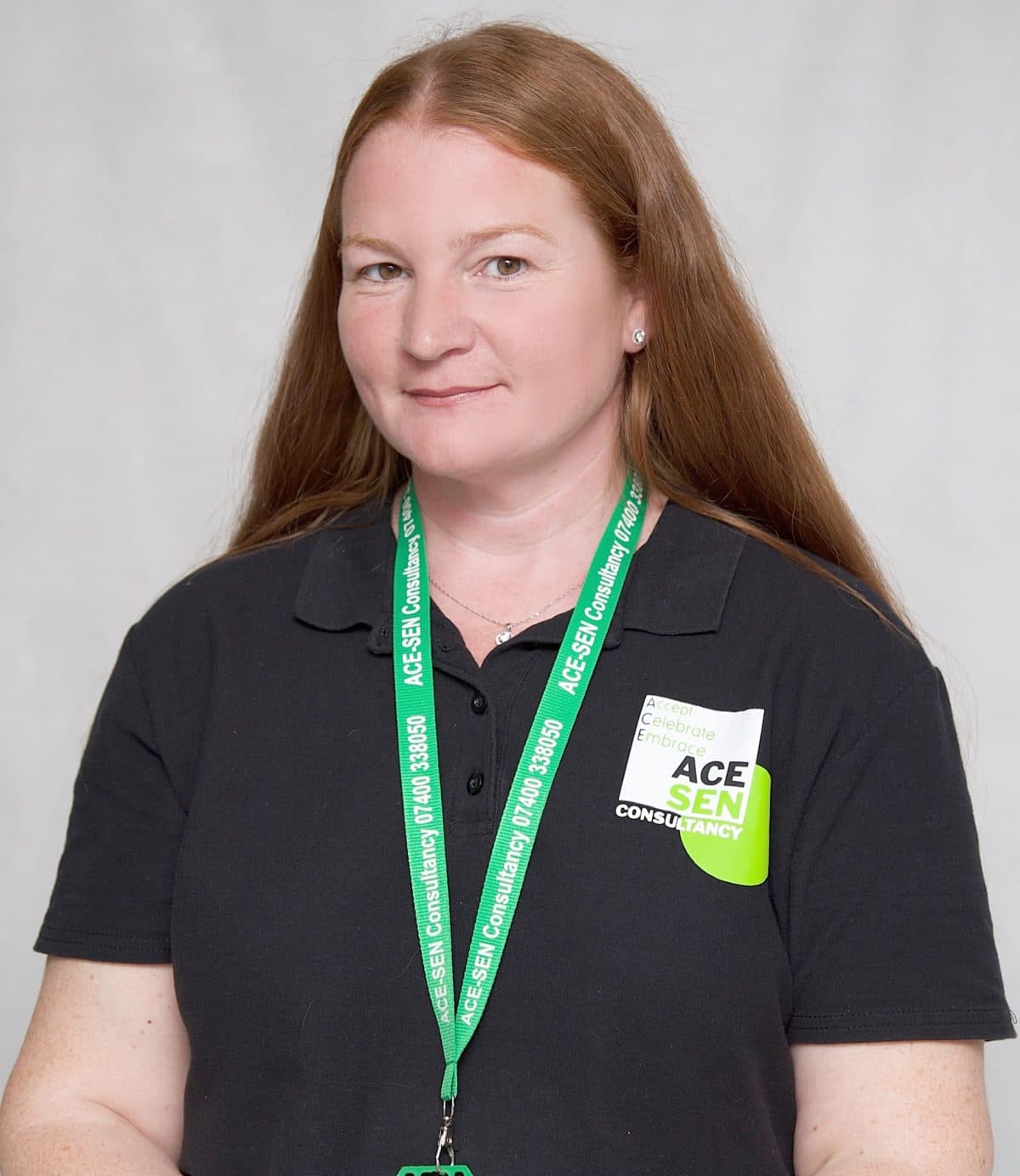
Nicola Durrant · Founder & Specialist Autism Consultant
ACE-SEN is a small, dedicated team of specialists, each bringing both professional expertise and lived experience of neurodiversity to the families and schools we work with. Founder Nicola Durrant has over 25 years supporting neurodivergent children, with particular specialism in PDA and how autism presents in girls, and leads on EHCP and annual review support.
That combination of professional grounding and personal understanding is what shapes the way we work: clear about the process, honest about what is and is not realistic, and always led by what your child actually needs.
Whether you’re just starting the EHCP process, preparing for a review, or challenging a decision, we’re here to support you every step of the way.
Get in touchNo obligation, just a friendly chat about your child and how we can help.
An education, health and care plan is a legal document from your local authority that sets out your child’s special educational needs and the individual support package the council must provide to meet them. Unlike SEN Support, it creates a legal duty on the council itself.
You, your child’s school, or your child themselves if they are 16 or over, can start the EHCP application by asking your local authority for a needs assessment in writing. The council has six weeks to decide whether to assess, and if they go ahead, a legal deadline of 20 weeks to issue a final plan. Our step-by-step EHCP application guide walks through the whole process, and we can help you get the request right from the start.
As soon as you feel your child’s needs are not being met by the support already in place. We can help you decide if now is the right time and word the request so the Local Authority understands the full picture.
Yes. We help you articulate your child’s needs clearly and specifically, evidenced in the way a Local Authority panel needs to see, so the request has the best possible chance of leading to an assessment.
Yes. We prepare with you beforehand and can attend annual reviews or planning meetings alongside you, advocating for the provision your child needs.