Supporting families across the UK
Specialist, person-centred SEND support for children aged 5 and beyond, and for the families and schools around them.
School changes everything. The gentle, early-years approach that worked at nursery often stops working the moment formal learning, larger classrooms and rigid routines begin, and that’s when many families come to us. Whether your child is just starting reception, sitting GCSEs, or moving into college, our support is built around them: their needs, their pace, and the people supporting them day to day.
We work with parents and carers, children and young people themselves, and the schools, colleges and professionals around them, in person and online across the UK.
Most families reach out at a similar point: something isn’t working, and nobody can quite say why.
Homework takes hours, reading feels like a battle, or written work never matches what they can say out loud. Teachers may put it down to effort or maturity, when the real picture is often a specific, identifiable need.
Mornings involve tears, refusal or meltdowns before the day has even started. What looks like defiance from the outside is very often anxiety, and traditional consequences tend to make things worse rather than better.
Perhaps you’ve raised concerns for months, or years, and been told to “wait and see.” You know your child better than anyone, but getting that knowledge taken seriously by a school, a panel or a local authority can feel like a full-time job in itself.
We’ve supported hundreds of families and schools through exactly this. You don’t have to work it out alone.
Before anyone can help, you need to know what’s actually going on. We look beyond the label a school may have already reached for and build a fuller picture: how your child learns, what’s getting in the way, and what kind of support would genuinely help. That might mean recommending an educational psychologist assessment, a dyslexia assessment, or simply a clearer explanation of what your child’s school should already be doing to help.
Home and school need to be working from the same page, and too often they aren’t. We attend meetings alongside you, translate education jargon into plain English, and help schools understand what genuine inclusion looks like for your child specifically, not just in policy. Where an EHCP is part of the picture, our dedicated EHCP Support service takes you through the whole process.
Small, well-chosen changes make a disproportionate difference: adjusted seating, a visual timetable, extra processing time, a quieter space to reset. We work directly with class teachers, SENCOs and support staff on how schools can support children with PDA and other profiles, and offer bespoke training so a whole staff team, not just one keyworker, understands what to do.
The Education, Health and Care Plan process is one of the most common reasons families come to us, and one of the most confusing to navigate alone. We support every stage: working through the step-by-step application, gathering the right evidence, reviewing draft plans line by line, and preparing for the annual review. Visit our EHCP Support page for the full service.
We have particular depth of experience in Pathological Demand Avoidance and in autism presentations that are often missed or misread, including in autistic girls and young women. Our PDA Support service is led by Nicola Durrant, who combines professional training with lived experience as a parent to a daughter with a PDA diagnosis. Start with what PDA actually is if you’re not yet sure whether it fits your child.
School refusal, separation anxiety, and the upheaval of moving between year groups, key stages or settings all take a toll on a child’s confidence and sense of safety. We help families and schools manage these transitions calmly and predictably, reducing pressure rather than adding to it, and can advise on additional financial support through DLA and PIP applications where a child’s needs affect daily life at home as well as at school.
Every family, teenager and school we work with is different, so support is never one-size-fits-all.
Nicola can provide the written, professional evidence you need to seek a diagnosis and/or apply for an Education, Health and Care Plan.
Talk to NicolaNicola Durrant · Founder & Specialist Autism Consultant
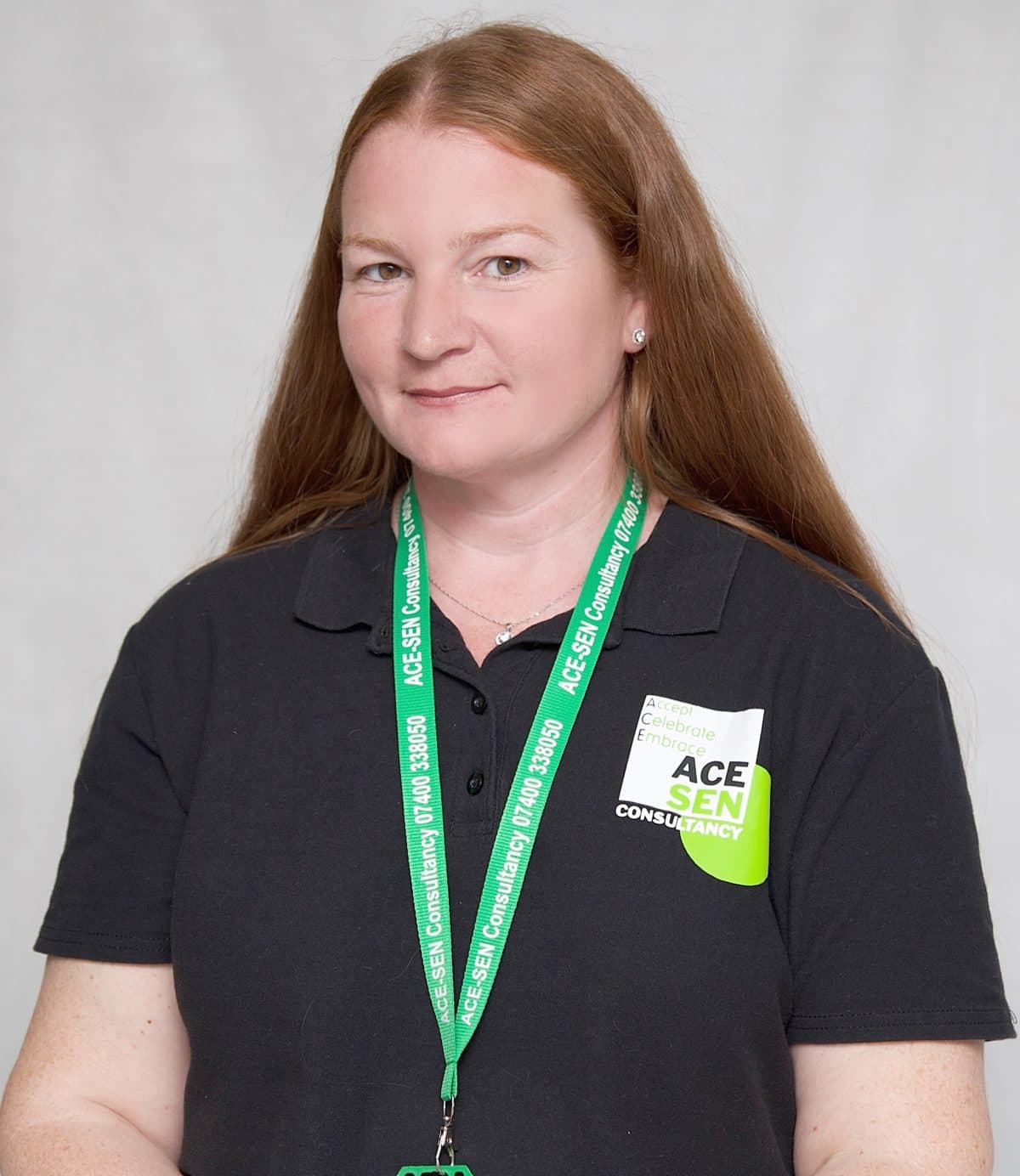
Our 5+ support is led by Nicola Durrant, Founder and Specialist Autism Consultant at ACE-SEN Consultancy. Nicola has over 25 years’ experience supporting neurodivergent children and young people, with particular specialisms in PDA and in recognising autism in girls and young women, whose presentations are so often missed. She’s known for a calm, relational approach, and combines professional expertise with lived experience as a parent with neurodiversity in the family.
Her approach, and the whole ACE-SEN ethos, is simple: Accept, Celebrate, Embrace.
Read what other families have said on our testimonials page.
No obligation, just a friendly chat over Zoom about your child and how Nicolacan help. Wherever you are, we’re only a video call away.
Both. We regularly attend meetings, advise SENCOs, and deliver bespoke staff training, alongside supporting families at home.
SEN support is arranged by a school using its own resources, and can be put in place quickly without a legal process. An EHCP is a legal document from the local authority that creates a statutory duty to provide specific support. Our EHCP Meaning article explains the difference in full, and our EHCP Support service can guide you through either route.
This pattern, often called masking, is common in Pathological Demand Avoidance and in autism more broadly. It doesn’t mean nothing is wrong, it usually means the effort of coping is happening out of sight. Our guide to the signs of PDA is a good starting point.
Autism in girls is often masked through copying friends, staying quiet in class, or simply holding it together until they get home. It’s frequently mistaken for shyness or anxiety alone, which is why our PDA Support service, led by Nicola Durrant, puts particular focus on autism presentations in girls and young women.