Supporting families across the UK
Compassionate, expert guidance through forms that feel overwhelming.
Trying to translate your child’s daily struggles into tick-boxes and descriptors can feel impossible and deeply unfair. The Disability Living Allowance (DLA) and Personal Independence Payment (PIP) forms ask you to describe your child on their worst days, in language designed for assessors rather than parents, and getting it wrong can mean a lower award or an outright refusal.
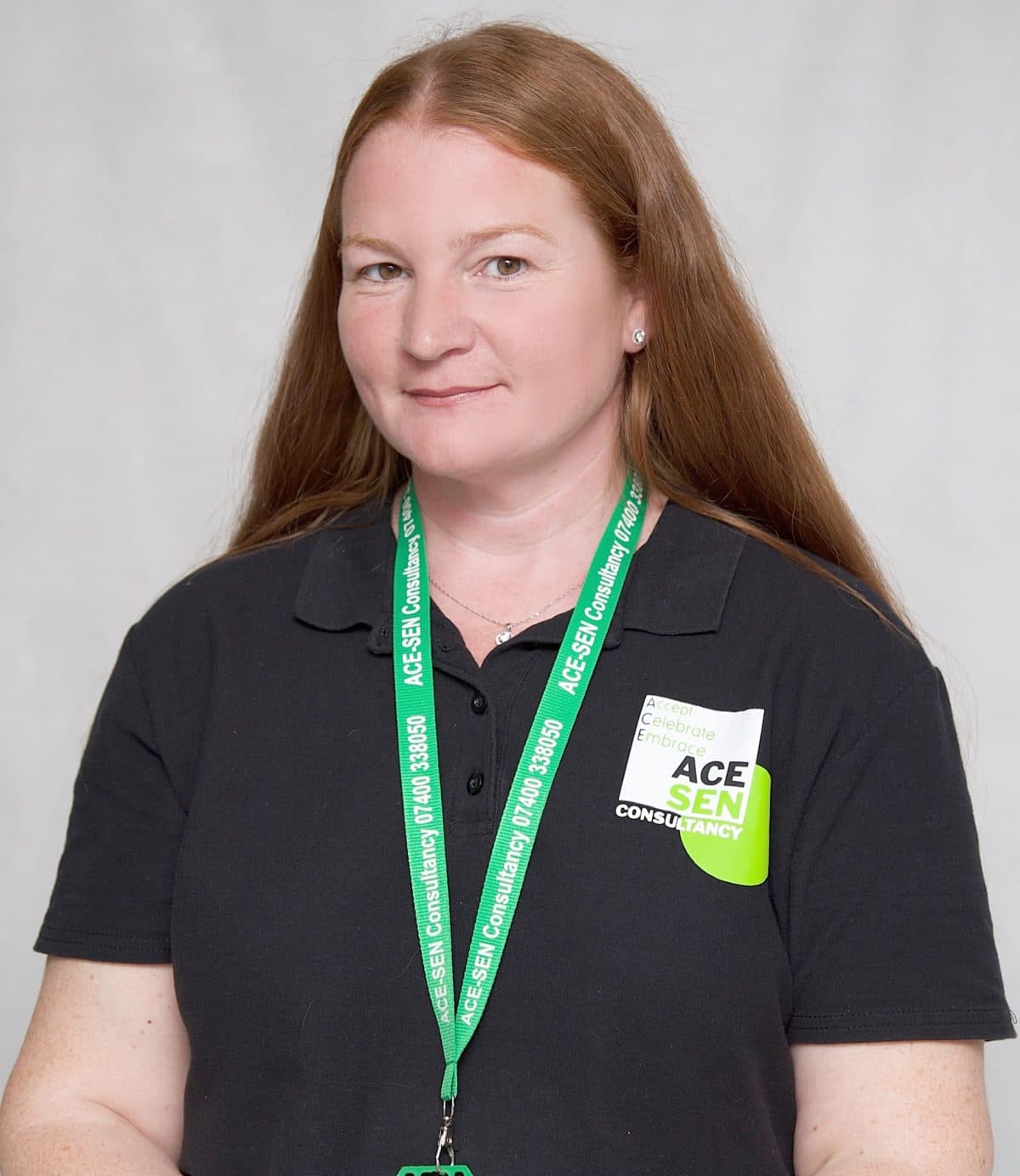
Nicola Durrant, Founder and Specialist Autism Consultant at ACE-SEN, has supported families through hundreds of DLA and PIP applications. She offers guidance through the whole process with sensitivity, clarity and an understanding of what decision-makers are actually looking for.
You don’t have to do this alone.
DLA and PIP are non-means-tested benefits for children and adults with a disability, long-term illness or additional need. Eligibility is based on the extra care, supervision or mobility support your child needs day to day, not on having a formal diagnosis, so children who are still on a diagnosis pathway or who have an EHCP but no diagnosis can still qualify.
Disability Living Allowance (DLA) for children under 16 has two components: a care component (help with personal needs, supervision or watching over) and a mobility component (help getting around safely). Each is paid at a lower, middle or higher rate depending on the level of need.
Personal Independence Payment (PIP) from age 16 replaces DLA and is assessed differently, through a points-based system across daily living and mobility activities. Most young people are invited to a face-to-face or telephone assessment, which makes accurate, consistent form-filling even more important beforehand.
An EHCP and a DLA or PIP award are separate things that often get confused. An EHCP secures your child’s educational and health provision; it does not automatically trigger a benefit payment, and a DLA or PIP decision maker will not simply take your EHCP at face value; they need needs described in their own terms. Evidence from an EHCP, an educational psychologist’s report or a diagnostic assessment can strengthen an application, but it has to be translated into the right language. Our blog post Benefits for a Child With an EHCP: What UK Families Get sets out exactly what an EHCP does and doesn’t cover, with a full comparison table of what you get automatically versus what you must apply for separately, including DLA, PIP, Carer’s Allowance and Motability.
If you’re still working through the EHCP process itself, our EHCP Support service and our step-by-step guide to EHCP applications cover that process in full, and our guide to what an EHCP is is a good starting point if you’re new to the system.
Standard DLA and PIP guidance is written with visible, physical disability in mind, which makes it a poor fit for autism, PDA and other hidden needs. A child who masks at school, melts down the moment they get home, or needs constant behind-the-scenes support to get through an ordinary day can look “fine” on paper, and assessors regularly under-award children whose needs aren’t obviously physical.
This is where our specialism matters most. Nicola’s background in PDA and in female and hidden presentations of autism means we know how to describe demand avoidance, sensory overwhelm, shutdowns and masking in language that assessors recognise, rather than language that gets misread as behavioural. If PDA is part of your child’s picture, our guides on what PDA is, the signs of PDA and why traditional behaviour strategies may not work for PDA give useful background on the profile itself, alongside our dedicated PDA Support service.
We complete the entire DLA or PIP form with you, reflecting your child’s real-life needs rather than a generic template.
We explain what each descriptor actually means and how it applies to your child’s day-to-day experience.
We advise on which reports, letters and records will carry the most weight, and how to present them clearly.
We help you describe your child’s needs in language that aligns with what decision-makers are trained to look for.
We stay with you from the first conversation to the final form, at your pace and without pressure.
Families completing these forms alone often, understandably, describe a good day rather than a typical or bad one, leave sections blank because the question feels irrelevant, or under-describe supervision needs because the support has simply become routine at home. Others submit strong medical evidence but weak day-to-day description, which is usually what the assessment actually scores on. We review every section against the descriptors before it goes anywhere near a decision maker, so nothing is left unsaid that should have been said.
This covers the full process, typically 4 to 6 hours of work, including a detailed exploration of your child’s needs, translation of statutory language into an accurate application, emotional support along the way, and professional completion of the form itself.
This service suits families of children and young people of any age, from early years right through to young adults moving from DLA onto PIP. If your child is younger, our 0–5 Years service covers early identification and evidence-gathering that can support a later claim; for school-age children and teenagers, our 5+ Years service covers the wider picture of EHCP, autism and PDA support alongside benefit applications.
DLA and PIP awards aren’t permanent. Renewal packs arrive with the same demanding language as the original form, often at a time when your child’s needs have changed, and a poorly completed renewal can see an award reduced or stopped. We support renewals and mandatory reconsiderations in exactly the same way as first applications, working from what’s changed since the last award. If your child also has an EHCP, it’s worth reviewing both together; our guide to preparing for an EHCP annual review is a helpful companion piece if the two fall around the same time.
No obligation, just a friendly chat about your child and how we can help.
Yes. We’ll talk through what evidence you already have, whether that’s from school, health professionals or an EHCP, and advise on what else would strengthen your application.
Yes, renewals and reconsiderations are supported in the same way as first applications.
Disability Living Allowance (DLA) is for children under 16. Personal Independence Payment (PIP) is for young people from 16 upwards, so your child can’t apply for PIP before their 16th birthday, however severe their needs are. The DWP writes with an invitation to apply for PIP around that birthday, and the DLA award continues until the PIP claim is decided. We support both children’s DLA claims and the move across to PIP.
These forms run to more than 40 pages and are written for assessors, not parents. Getting the wording wrong is one of the most common reasons awards come in lower than they should, or are refused altogether. Specialist support, particularly for hidden and anxiety-driven needs like PDA, makes a genuine difference to the outcome.
Yes. DLA and PIP awards aren’t permanent, and a poorly completed renewal pack can see an award reduced or stopped. We support renewals in exactly the same way as first applications, working from what’s changed since your child’s last award.