Dyslexia Assessment for an Autistic Child: A Family’s Story
One family recently shared their experience with us in a Trustpilot review. Their story answers a lot of these questions, so we wanted to talk about it here.


Many parents of autistic children have the same worry. They think their child might also be dyslexic, but they are not sure an assessment will work. Will their child cope with a stranger? Will the results be fair if they find talking to new people hard?
ACE-SEN's team is here to help, in person or over Zoom. Book your free virtual consultation now.
“I suspected my daughter may be dyslexic”
The mum who wrote the review had a feeling her daughter might be dyslexic. Her daughter is also autistic, and she finds communication and social situations tricky.
That mix is more common than many people realise. Autism and dyslexia are separate things, but they often turn up together. Autism Central, an NHS-supported programme, lists dyslexia as one of the conditions that commonly occur alongside autism.
The trouble is that one can hide the other. If an autistic child struggles with reading, adults may put it down to autism, anxiety or not wanting to join in. The dyslexia then goes unnoticed. If you are still at the stage of wondering, our guide to the early signs of dyslexia in primary school children is a good place to start.
Why autistic children need a different approach
A dyslexia assessment asks a child to do lots of things with an adult they may never have met. They read, spell, listen, remember and answer questions. For most children, that is tiring. For an autistic child, it can be overwhelming.
Some of the things that can make it harder include:
- Meeting someone new and not knowing what to expect
- A strange room, sounds or lighting
- Questions that are not clear or literal
- Feeling under pressure to talk or make eye contact
- Getting tired or anxious partway through
None of this means an autistic child cannot be assessed. It means the person carrying out the assessment needs to understand autism as well as dyslexia. When a child feels calm and safe, they can show what they can really do. When they feel stressed, the results may not tell the full story.
What made the difference for this family
Here is what stood out in this family’s experience, and why each part matters for an autistic child.
What the family noticed
| Why it helps an autistic child
|
Clear communication from start to finish
| Knowing what will happen, and when, reduces worry before the day
|
The assessment was prompt and efficient
| Less waiting means less time for anxiety to build up
|
Care and understanding for her needs
| A child who feels understood is more likely to relax and engage
|
Verbal feedback given with compassion
| Parents hear the results kindly before reading the detail
|
A detailed written report
| The family has something clear to share with school and use for support
|
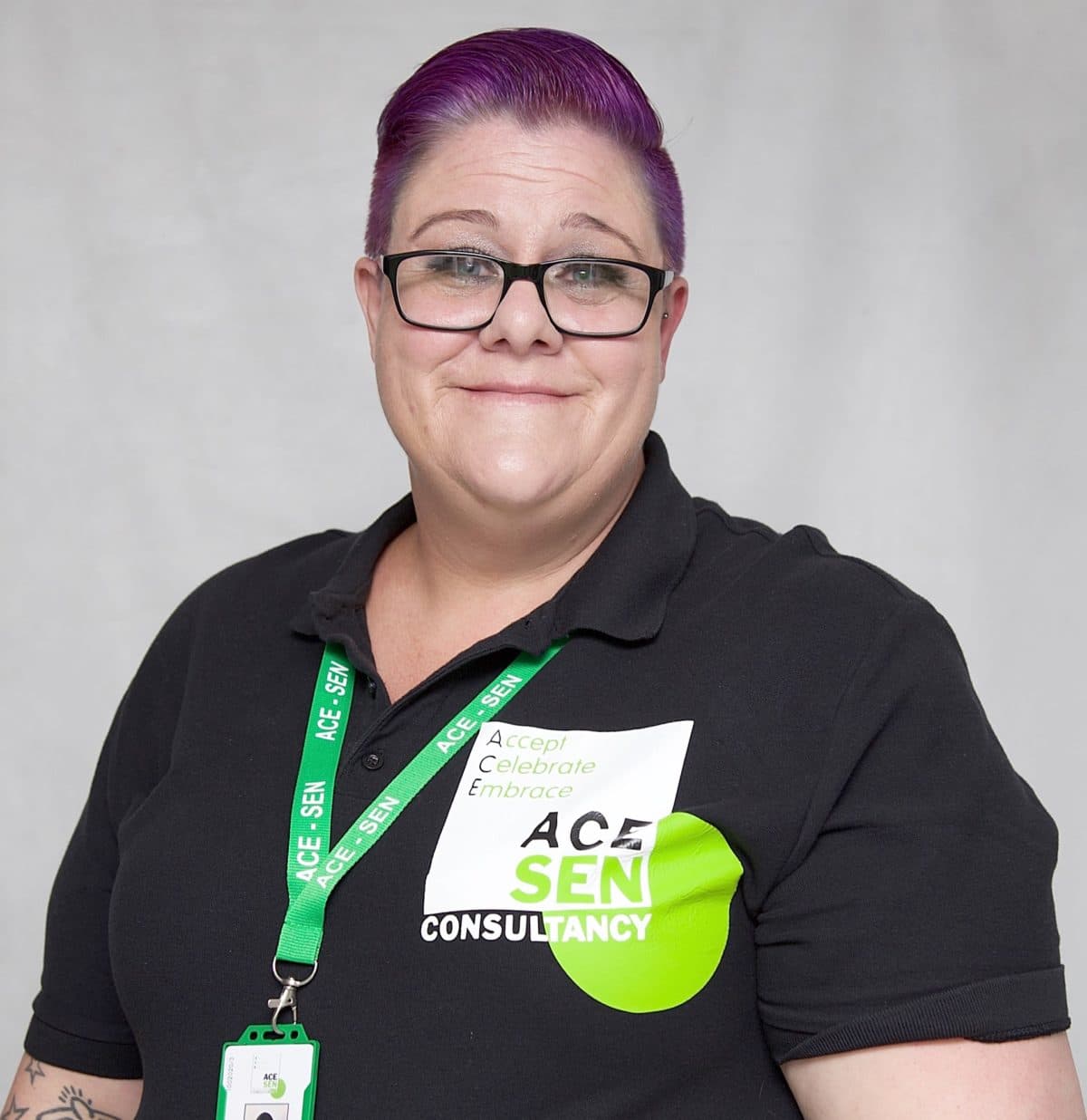
The mum described how her daughter responded really well to Nicola, even though communication and social interaction are usually hard for her. That is the part we are most proud of. Nicola Durrant, our founder, has spent more than 25 years supporting neurodivergent children and specialises in autism, especially in girls. You can read more about Nicola here.
Hearing the results first
After the assessment, the family were given verbal feedback before the written report arrived.
This step matters more than people think. Results about your child can bring up a lot of feelings, even when you suspected the answer. Talking it through first gives you the chance to ask questions and take it in. When the report lands, you already know the main points, so it feels less daunting.
A report that shows strengths, not just struggles
The family described the report as in-depth and thorough. It covered their daughter’s strengths, her weaknesses and recommendations for support.
For autistic children especially, the strengths section is important. Many autistic and dyslexic children hear a lot about what they find hard. A report that also shows what they are good at helps parents, teachers and the child themselves see the whole picture.
The recommendations are what turn a report into action. They give schools clear ideas for support in class, and they help parents know what to ask for. In this mum’s words, it was “exactly what we needed” to move forward.
What to do next if this sounds like your child
If you think your autistic child might also be dyslexic, here are some simple next steps:
- Write down what you notice. Note any reading, spelling or writing difficulties, and when they happen.
- Talk to your child’s school. Ask what they have seen and whether they share your concerns.
- Look for an assessor who understands autism. Ask how they adapt the assessment for autistic children.
- Think about what you need from the report. Strengths and clear recommendations will be most useful for planning support.
If you are weighing up whether a private assessment is right for your family, our guide on what a private dyslexia assessment costs and whether it is worth it explains what to consider. You can also read more about our dyslexia assessments and, if a diagnosis is confirmed, our 1:1 dyslexia tuition.
A big thank you
We are so grateful to this family for taking the time to share their experience. Reviews like this help other parents feel less alone, and they remind us why we do what we do.
You can read more stories from families on our testimonials page. If you would like to talk about your own child, book a free, no-obligation virtual consultation. It is just a friendly chat about your child and how we can help.
Wondering what this means for your child?
Book a free, no-obligation virtual consultation over Zoom — a friendly chat about your child and how we can help, wherever you are in the UK.
Book a free virtual consultation